Boring software, durable companies
Why we keep backing infrastructure software that few people outside engineering teams will ever see, and what makes it so hard to replace once it is in.

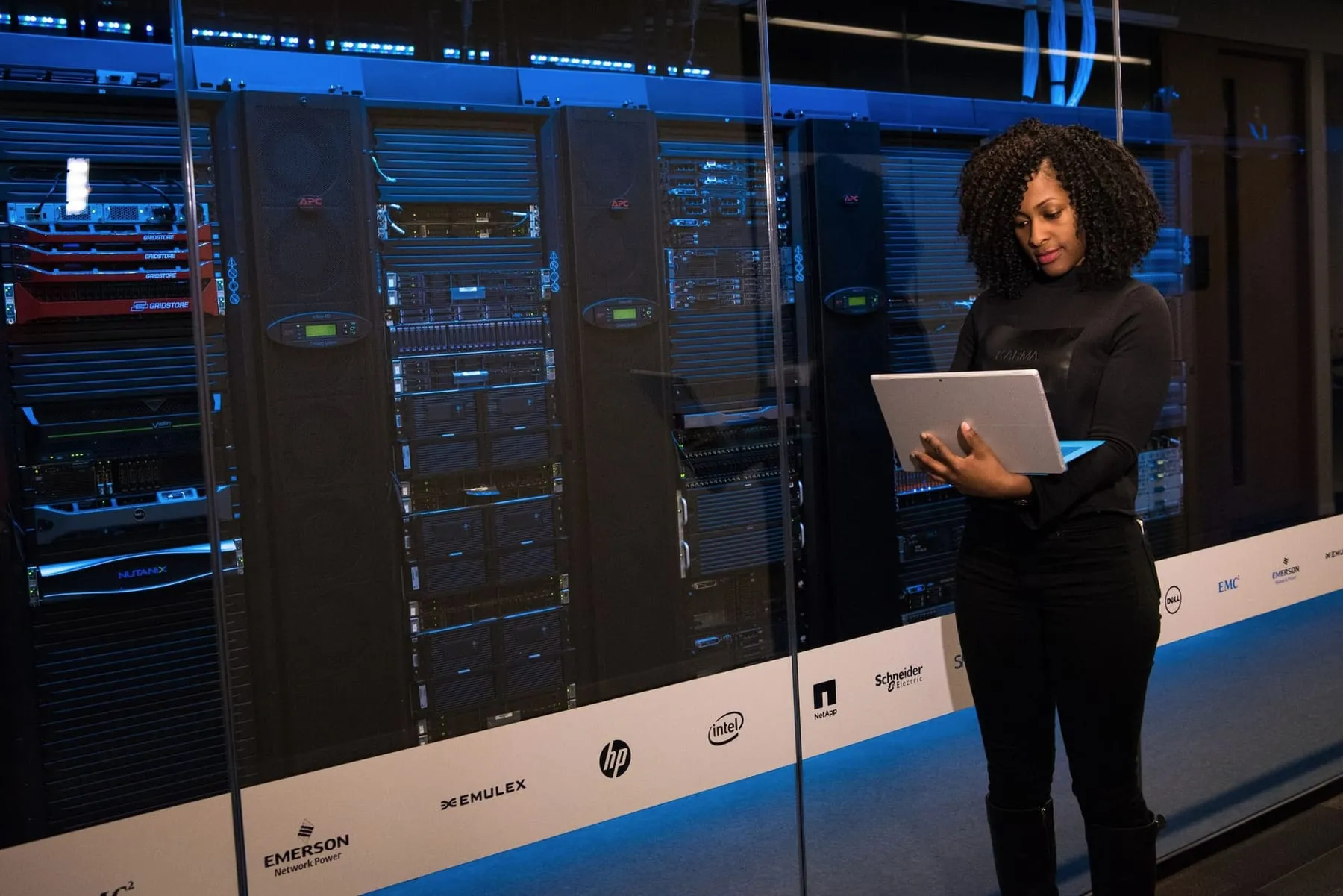
Some of the best companies we have backed make products that are hard to explain at a dinner party. A database for event data. A system that checks whether machine learning models are still behaving. A service that confirms a developer is who they say they are. Nobody outside an engineering team thinks about them. Inside, they are the parts that cannot fail.
We like these companies a great deal. Here is why.
Nobody rips out the plumbing
Infrastructure software sits underneath everything else a company runs. Once it is in, other systems are built on top of it, and taking it out means rebuilding those too. So it rarely gets taken out.
That makes the first sale slow and every sale after it easier. A team adopts the product for one service, then a second, then the whole company standardises on it because running two systems for the same job is a nuisance. Revenue grows inside accounts long after the first contract, and churn stays very low.
The pattern is visible in the numbers. Across our infrastructure companies at Series B or later, revenue retention from existing customers has averaged well above 120 per cent a year. Few application companies we have seen sustain that.
The buyer is the user
Infrastructure is usually chosen by the engineers who will live with it. They try it, often for free, and only later does anyone sign a contract. That has two effects we value.
The first is honest feedback. Engineers do not adopt a tool because of a good sales meeting, and they leave quickly if it breaks. A company that survives that test early has a product that works.
The second is that it keeps sales costs down. When the buying decision is already half made by the time sales gets involved, the company can grow without building a large sales team ahead of revenue.
Three examples
Stackwell builds a database for event data: the stream of clicks, payments and sensor readings that modern software produces. Its founders spent years running that kind of data on general-purpose databases and watching them struggle. Stackwell’s first customers were engineers who found it on their own. Most of its largest accounts started with a single team.
Parallax watches machine learning models once they are in production and warns when their behaviour drifts. When we invested, many teams were still checking models by hand, if at all. Now that models make credit, pricing and hiring decisions, regulators and auditors expect someone to be watching. Parallax was already there when that expectation arrived.
Gatehouse built identity for developers: the systems that confirm who is pushing code and what they are allowed to touch. It was acquired by Cobalt Systems in 2020, which wanted it as the foundation of its own security products. The acquisition made sense for the same reason the business did. Once Gatehouse was underneath a company’s code, it stayed there.
The parts nobody notices are often the parts nobody can remove.
What we look for
Durability is not automatic. Plenty of infrastructure companies fail, usually for one of three reasons: the problem is real but too small, a large cloud provider bundles a free version, or the product is hard to adopt and never gets past the first team.
So we ask:
- Is the problem growing on its own, without the company having to make the case for it?
- Would a large cloud provider find it awkward to build, because it needs to work across several of them?
- Can an engineer get value from it in an afternoon?
- Do the founders know the problem from having suffered it?
When the answer to all four is yes, we are usually interested, however dull the product sounds.
Why this suits us
Infrastructure companies tend to take longer to reach scale than application companies, and they rarely attract much attention along the way. That suits a firm that writes long first cheques and expects to hold them for a decade. The companies grow slowly, then steadily, and the steadiness is what lasts.
If you are building something that other engineers will build on, our pitch page explains how to reach us.
Share this piece