The grid is the bottleneck
Clean power is now cheap to build and slow to connect. Why our climate investing has shifted towards storage, grid software and the industries that must plug in.


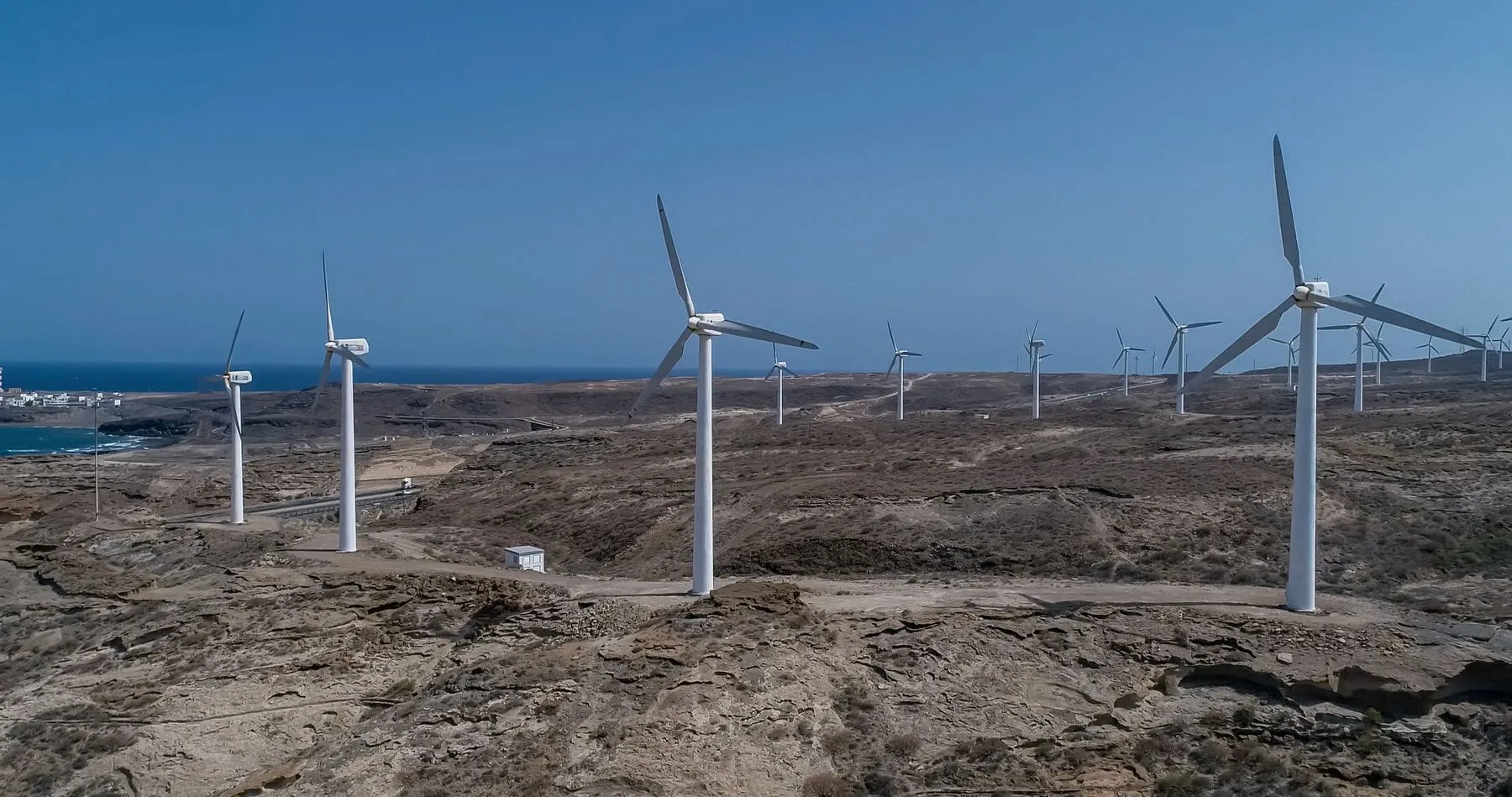
Ten years ago, the hard question in climate investing was whether clean power could compete on price. That question is largely settled. In much of Europe and North America, a new solar or wind farm is now the cheapest source of electricity anyone can build.
The hard question now is whether anyone can plug it in.
The queue
Every new generator, battery or large factory that wants to connect to the grid joins a queue. The network operator studies what the connection will do to the system, decides what upgrades are needed and who pays for them, and eventually offers a date. In several of the markets we invest in, that date is now five to ten years away.
The queues are long for ordinary reasons. Transmission lines take a decade to permit and build. The studies are done project by project, often by small teams using tools designed for a grid with a few hundred large power stations rather than tens of thousands of small ones. And a large share of the projects in any queue are speculative, so engineers spend months studying connections that will never be built.
The result is a strange kind of shortage. There is plenty of capital for clean generation and plenty of cheap equipment.
What is scarce is permission to connect, and the physical capacity of the wires.
Storage makes the existing wires go further
If new lines take a decade, the next best thing is to get more out of the lines we already have. Storage is the most direct way to do that.
A battery placed at the right point on the network can soak up power when a line is full and release it when there is room. Short-duration batteries do this over a few hours, and they are now a commodity. The harder and more valuable problem is storage that runs for days, covering the windless weeks of a northern winter.
That is what Tidewater builds. When we first invested, long-duration storage was a research topic with a handful of pilots. Tidewater is now a listed company in Oslo with an order book that has doubled since its listing, much of it from network operators who see storage as cheaper and faster than new transmission. We did not foresee how central the queue would become to its sales pitch. It has.
Software is the cheapest new capacity
The other way to get more out of the grid is to make demand behave.
Millions of homes now have a battery, a heat pump, an electric car or all three. Each one is small. Together they are a power station that nobody dispatches. If a utility could ask a hundred thousand of them to charge a little earlier or heat a little later, it could shave the evening peak that decides how much network it needs to build.
Amperra writes the software that does this, under contract to utilities and with the household’s agreement. It costs a fraction of a new substation and can be deployed in months. We think software of this kind, along with better tools for the network operators themselves, will add more usable capacity to the grid this decade than any single type of hardware.
Industry has to plug in too
Heavy industry is the other half of the problem. A great deal of decarbonisation depends on replacing furnaces and kilns that burn fuel with processes that run on electricity. Each of those plants needs a large grid connection, and each joins the same queue.
That has changed how we assess industrial companies. When we looked at Kiln, which makes low-carbon cement, the chemistry was the first question. The second was where it could build plants, and how quickly those sites could get power. Kiln’s founders had already mapped which regions had spare capacity on existing lines, and that work is now one of the reasons we expect its first commercial plant to be built on time.
Not every climate company we back depends on the grid. Fernway, which traces timber from the forest to the building site, is one that does not. But timber that can be proven legal and well managed is part of the same story: it replaces some of the steel and concrete whose production needs so much power in the first place.
Where we are looking
We are spending most of our time in a few areas:
- tools that help network operators study and approve connections faster
- storage that runs for longer than a few hours
- software that turns household and commercial demand into something a grid can plan around
- industrial processes designed with their grid connection in mind from the start
If you are building in any of these, Clara and Hana would like to hear from you. Our pitch page explains how to reach us.
Share this piece